
Where’d Everybody Go?
The Great Pocono Disappearing Act
Something suspicious happens in the Poconos every November. The leaves vanish. The woods go quiet. Familiar faces disappear
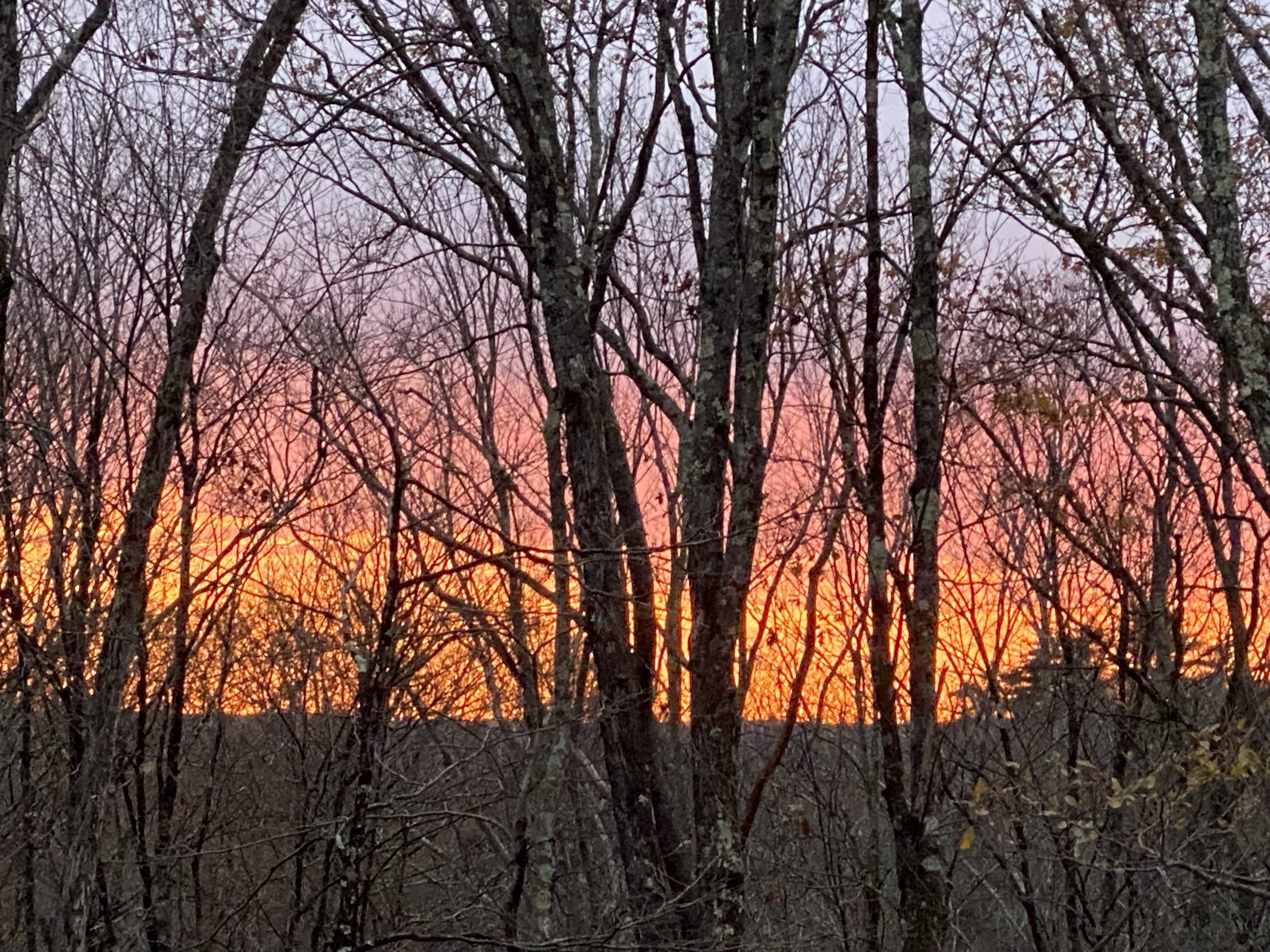
Where’d everybody go?
Turns out, our wild neighbors have some pretty creative winter escape plans. Some head south. Some sleep for months. Others freeze solid. Suddenly, spending November in Florida doesn’t sound so extravagant.
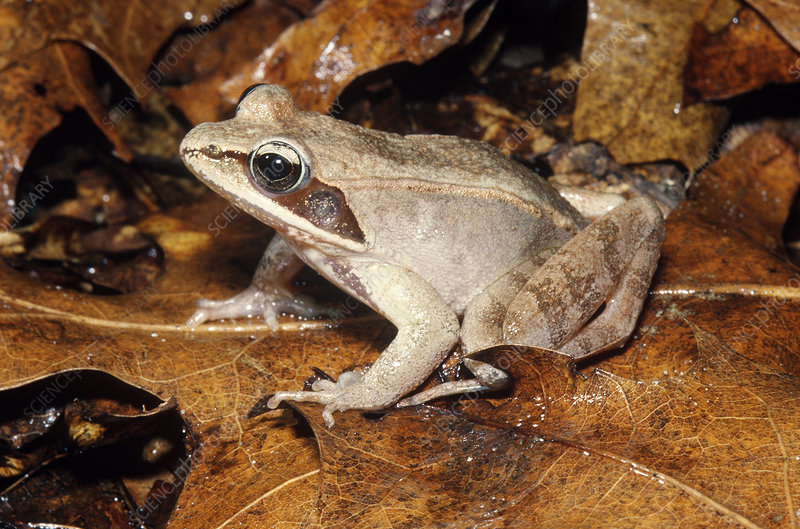
Take the wood frog, for example. While most of us are digging out our winter coats, this remarkable little creature is preparing to become a frogsicle. Literally. As temperatures drop, its body produces natural substances that protect its cells while much of its body water freezes. Its heart stops beating, and it remains frozen until warmer weather brings it back to life.
No reservations. No luggage. Just freeze and thaw.
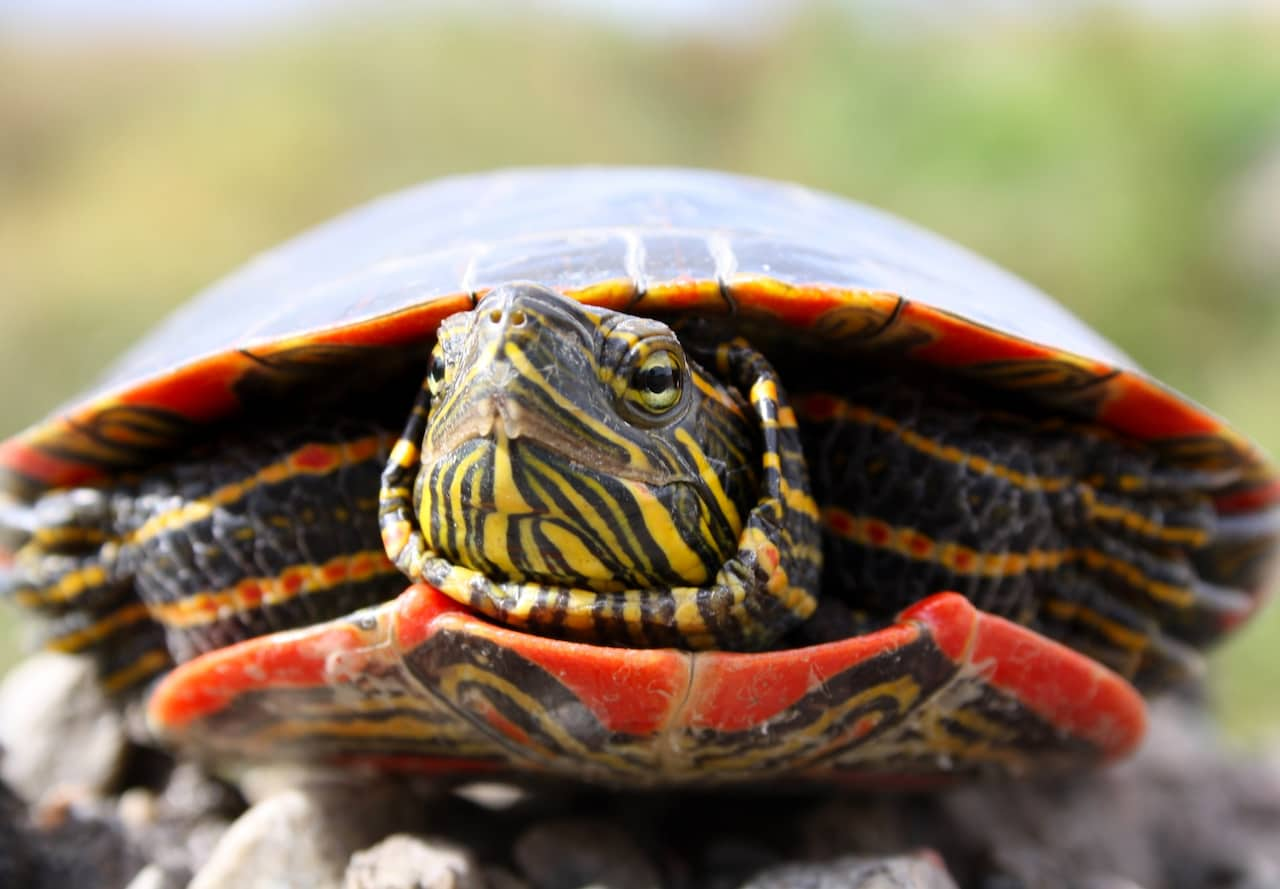
Painted turtles take a different approach. They settle into the muddy bottoms of ponds, slow their metabolism dramatically, and spend winter underwater. Some survive extended periods with virtually no oxygen.
It’s the ultimate extended spa treatment. No appointments necessary.
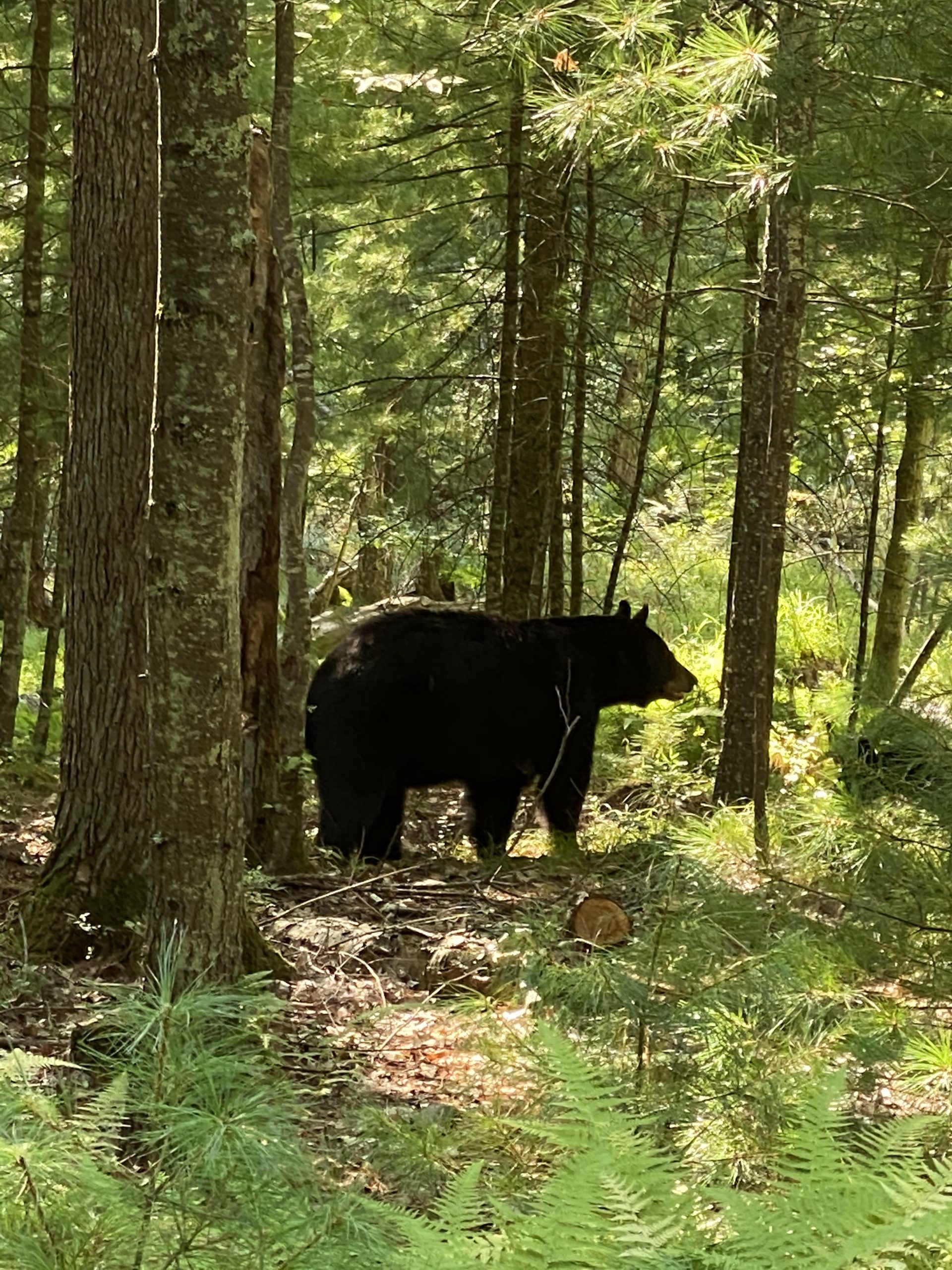
Then there are our black bears, who have perfected the art of doing absolutely nothing. As food becomes scarce, they retreat to dens, lower their metabolism, and spend months living off stored body fat. Unlike some deep hibernators, bears can wake relatively easily if disturbed.
No turning back clocks. Eat all fall. Sleep all winter. Where do I sign up?
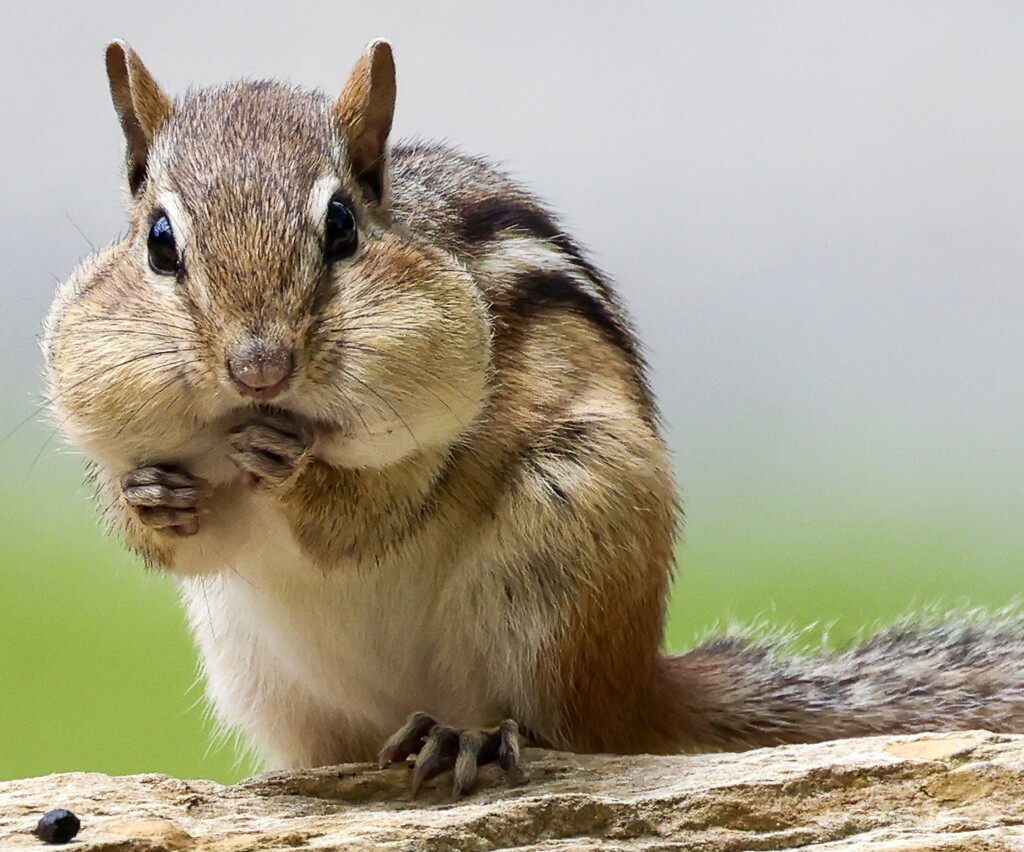
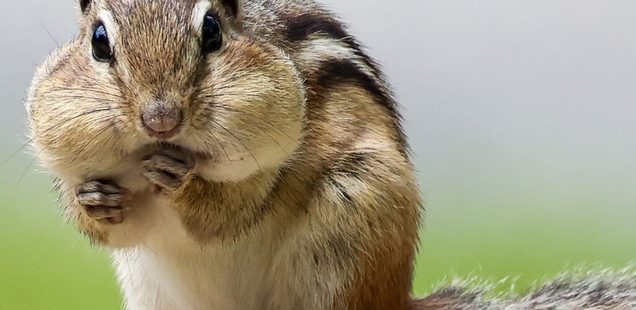
Chipmunks are the neighborhood preppers. All autumn, they’re stuffing underground pantries with seeds and nuts, preparing for a winter spent mostly below ground. They enter periods of torpor, occasionally waking to snack on their carefully stockpiled provisions.
They are the original doomsday preppers, only cuter.
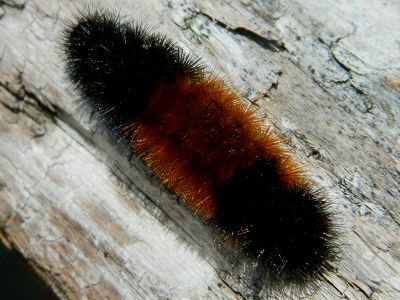
And don’t forget the fuzzy woolly bear caterpillar. While folklore claims its stripes predict the severity of winter, its real talent is surviving one. These little creatures tuck themselves beneath leaves and logs, producing natural antifreeze-like compounds that help them withstand freezing temperatures.
Who needs a winter coat when you’ve got antifreeze in your veins?
But perhaps the most fascinating seasonal migration belongs to a particularly resourceful species.
Distinguished by its silver plumage, sensible footwear, and uncanny ability to detect a cold front weeks before it arrives, this creature begins preparing for departure shortly after Labor Day. By November, its nest has been secured and provisions packed and loaded for an extended journey.
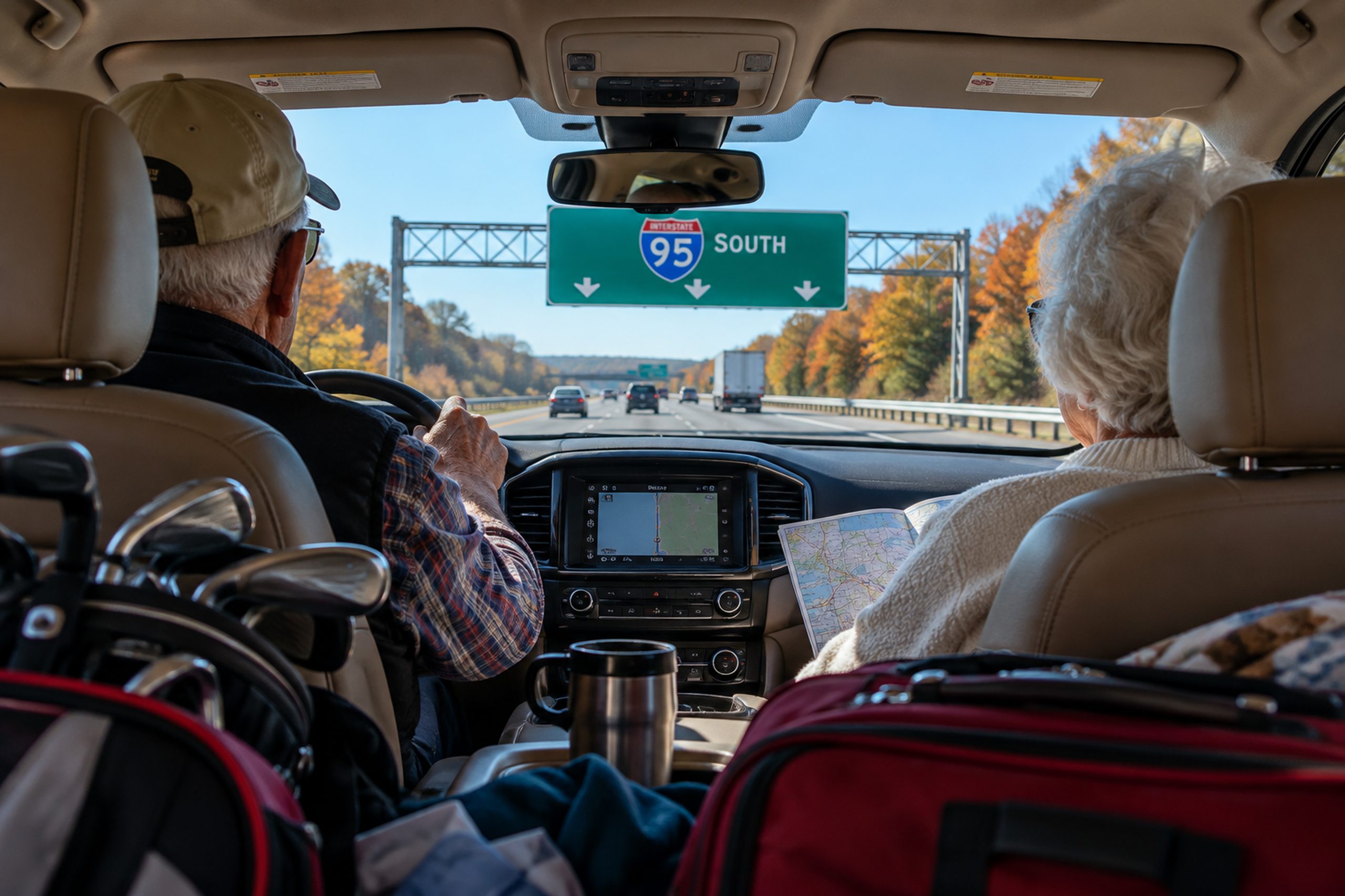
Unlike other migratory species, it doesn’t travel in flocks. It prefers an SUV, often accompanied by golf clubs, prescription medications, and a warm coat in case the temperature drops below 60.
Its preferred winter habitats include Florida, Arizona, and anywhere the words “wind chill” are rarely spoken.
Meet the Pocono Snowbird.
While other birds navigate by the stars, this one follows I-95.
Of course, not everyone disappears. Deer continue browsing, foxes patrol the woods, and chickadees chatter through even the coldest mornings. The forest hasn’t emptied. It’s simply changed shifts.
So, the next time you’re walking through the quiet November woods wondering where everybody went, remember: beneath the leaves, under the water, and inside hollow logs, an entire community is waiting out winter.
Some are sleeping. Some are snacking. Some are frozen solid.
And the rest of us?
We’re just trying to remember where we put the snow shovel.
Follow us on Instagram @PoconoSecrets and on Facebook @PocoPike
Visit www.LAGuzda.com or www.PoconoSecrets.com